
January 15, 2026
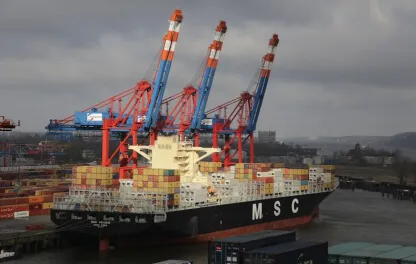
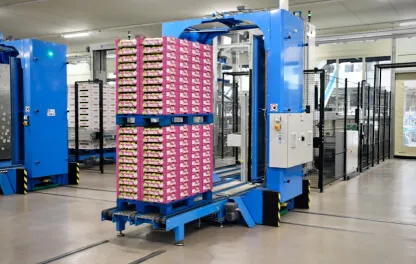
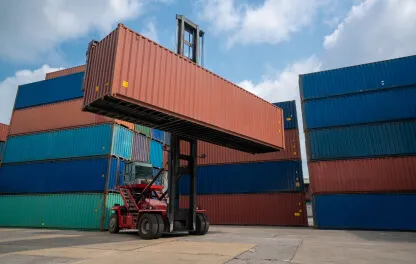
Logistics planning for transporting exhibition stands, fragile promotional materials, and temporary display cargo to regional expos.
Intro
Trade Fair and Expo Freight Scheduling is not a surface-level topic for Kiranda Transporters Limited. It sits inside the daily reality of cargo that must arrive on time, intact, and compliant, whether that cargo is heading to Kampala, Nairobi, Mombasa, Kigali, Juba, or a more difficult corridor where delay quickly becomes loss. For the reader, the point of this article is simple: understand the operational truth behind trade fair and expo freight scheduling, see how it affects cost and reliability, and learn what a serious logistics partner does differently when the pressure is real.
The reason this matters is that trade fair and expo freight scheduling is a critical planning milestone. This article is structured for deep B2B logistics authority, SEO clarity, and conversion. For exporters, procurement teams, and operations managers, the difference between a smooth movement and a damaged consignment often comes down to planning, monitoring, and response discipline. That is where Kiranda Transporters Limited brings practical value rather than generic commentary.
1. Why this topic matters in day-to-day operations
Trade Fair and Expo Freight Scheduling affects service quality long before a truck reaches the road. It starts with how the cargo is prepared, what temperatures or handling rules apply, and how clearly the shipment requirements are defined before loading. When those basics are handled badly, the rest of the chain starts working against the customer instead of for them. The focus on Trade fair freight, event logistics, temporary customs bonds. requires constant coordination.
At Kiranda Transporters Limited, we realize that calendar-driven milestones are not just dates on a calendar; they dictate the availability of trailers, the customs clearing speed at critical border points, and the security of consignments held at staging facilities. Failing to recognize the operational impact of these events leads to immediate delays and cargo spoilage, especially for cold chain shippers.
2. The operational risk most businesses underestimate
Many problems in logistics do not begin with a dramatic failure. They begin with small compromises: a late handover, a weak packaging decision, a missed document, or a truck assigned without the right thermal profile. During peak periods, these small decisions can turn into spoilage, delay penalties, rejected freight, or a damaged relationship with the end buyer.
For instance, when shipping perishables during holiday periods, a delay of just four hours at the Malaba border due to customs holiday scheduling can trigger a critical temperature excursion if the reefer’s auxiliary generator runs low on fuel. Businesses that treat holiday shipping as a normal operational cycle invite unnecessary financial risks that can easily be mitigated by pre-booking dedicated transport assets.
3. What a disciplined transport process looks like
A reliable logistics process is built before dispatch, not after trouble starts. The shipment should be matched to the right vehicle, the route should be checked for border timing and road conditions, and the handling team should know exactly what must stay protected. When that process is disciplined, the cargo moves with fewer surprises and far less waste.
Our Rubaga dispatch team runs on strict procedures:
- Pre-chilling reefers to the exact temperature (+2°C to +8°C for pharmaceuticals or -20°C for frozen food) before loading.
- Auditing driver hours and transit permits prior to departing Kampala or Mombasa.
- Real-time validation of transit bonds to ensure no border administrative stoppages occur.
- Verification of dual-fuel generator systems to protect the cooling units.
4. Why visibility changes the outcome
Cargo that cannot be seen cannot be managed well. Temperature checks, movement tracking, and clear communication help teams spot drift early and correct it before the customer experiences a failure. Visibility is not just a reporting feature; it is what gives managers the chance to intervene while the shipment is still recoverable.
By equipping our fleet of 30 trucks with advanced satellite telematics, we continuously stream ambient temperatures, cooling unit metrics, and precise GPS locations. During holiday congestion, our Rubaga control center monitors these telemetry outputs to detect any deviation, notifying drivers and dispatchers instantly to resolve issues before thermal breaches occur.
5. How customer planning reduces avoidable cost
The best outcomes often come from better preparation rather than more expensive rescue work. If the shipper shares product sensitivity, delivery window, packaging detail, and destination requirements early, the transport team can choose the right approach from the beginning. That reduces emergency rerouting, last-minute rehandling, and unnecessary premium charges.
Planning ahead during festive peaks and seasonal harvests allows Kiranda Transporters to allocate the necessary equipment and secure priority customs staging slots. This commercial foresight protects our clients from market price spikes, capacity shortages, and port demurrage charges that occur when transport is booked as an afterthought.
6. The role of compliance and documentation
Good documentation protects both the cargo and the client. It helps prove that the shipment was handled correctly, that the right checks were done, and that the operator respected the conditions agreed before dispatch. In commercial transport, that paper trail matters almost as much as the physical movement itself because it supports trust, accountability, and claims handling where needed.
Whether securing URA customs clearances, phytosanitary certificates, or COMESA Yellow Card insurance, our compliance team ensures that all cross-border documents are pre-filed and validated. This thoroughness is particularly crucial during public holiday periods when customs offices operate with skeleton staffs.
7. Why corridor knowledge matters
East African logistics is never just about distance. It is about corridor behavior, border rhythm, weather shifts, road conditions, and the practical realities that shape arrival time. A team that understands these corridor patterns can plan around congestion, preserve product condition, and avoid the sort of delays that catch weaker operators off guard.
Our drivers are veteran operators on the Northern Corridor (Mombasa-Kampala-Kigali-Juba) and the Central Corridor (Dar es Salaam-Mutukula-Kampala). They understand which weighbridges experience long queues, where seasonal rains damage road shoulders, and how holiday traffic affects driving speeds along major trade highways.
8. How the right partner protects business reputation
When freight arrives late or in poor condition, the customer usually blames the business that promised delivery, not the truck that carried it. That means logistics is also a reputation function. A dependable partner helps a business keep its promises, maintain client confidence, and avoid repeat failures that quietly erode market share.
By maintaining WHO GDP and HACCP standards, Kiranda Transporters protects the integrity of our client's brands. Our consistency in delivering high-value cargo under tight holiday deadlines has made us the trusted logistics partner for leading pharmaceutical, agricultural, and retail brands in East Africa.
9. What strong logistics partners do differently
Strong operators communicate early, document clearly, monitor consistently, and respond quickly when conditions change. They do not wait for a complaint before taking action. They plan for contingencies, treat the shipment as a commercial responsibility, and make decisions with the customer’s risk in mind rather than only their own convenience.
Unlike generic transporters, Kiranda Transporters Limited provides downloadable temperature log audits post-trip. We maintain backup reefers in Rubaga, Kampala to dispatch instantly in the event of primary carrier mechanical breakdown, ensuring that holiday transit challenges never compromise our delivery guarantee.
10. The practical lesson for the reader
Logistics is not a commodity where the cheapest rate represents the best deal. The real cost of transport includes the cost of delays, product degradation, custom penalties, and missed sales opportunities. Planning your B2B cargo shipping cycles around major regional events and partnering with a specialized carrier like Kiranda Transporters Limited is the only way to build a reliable and profitable supply chain.
For a formal logistics analysis of your cargo patterns or to lock in your booking capacity before the upcoming holiday shipping peak, contact our dispatch desk in Kampala.
Frequently Asked Questions
Tags:
Share: